Players love clay courts because of their slower pace and softer feel, but they're also more sensitive than hard courts. If your Har-Tru court has turned hard as pavement, kicks up dust every time someone slides, or has soft spots near the baseline, you're not alone. These are the most common Har-Tru court maintenance problems we see in Connecticut, New York & New Jersey, and almost all of them come down to moisture, grooming, and the amount of clay on the court.
Har-Tru is a crushed stone surface. It plays best when it holds the right amount of water and has an even layer of loose material on top. Too dry, and it gets hard and dusty. Too little material, and it wears through in high-traffic areas. Skip grooming, and it gets uneven fast. Below, we'll break down what causes each problem, the daily and seasonal care that prevents it, the tools that make maintenance easier, and when a hydro court system or a full resurfacing is the right fix.
Why Your Clay Court Gets Hard and Dusty
A hard, dusty Har-Tru court is almost always a dry court. The surface needs steady moisture to stay firm but not hard, and to keep fine particles in place. On a hot summer day in Connecticut, New York & New Jersey, a court can dry out in a few hours, especially if it's only watered once in the morning. When that happens, the top layer loses its binding, the fine material turns to dust, and the layer underneath packs down until it feels like concrete. Players notice it right away: less slide, a higher bounce, and dust on their shoes and socks. The fix starts with watering more often during the day and watering evenly, so no section is left dry. Courts that stay dry even with regular watering may be low on material or have drainage issues underneath.
What Causes Soft Spots and Uneven Areas
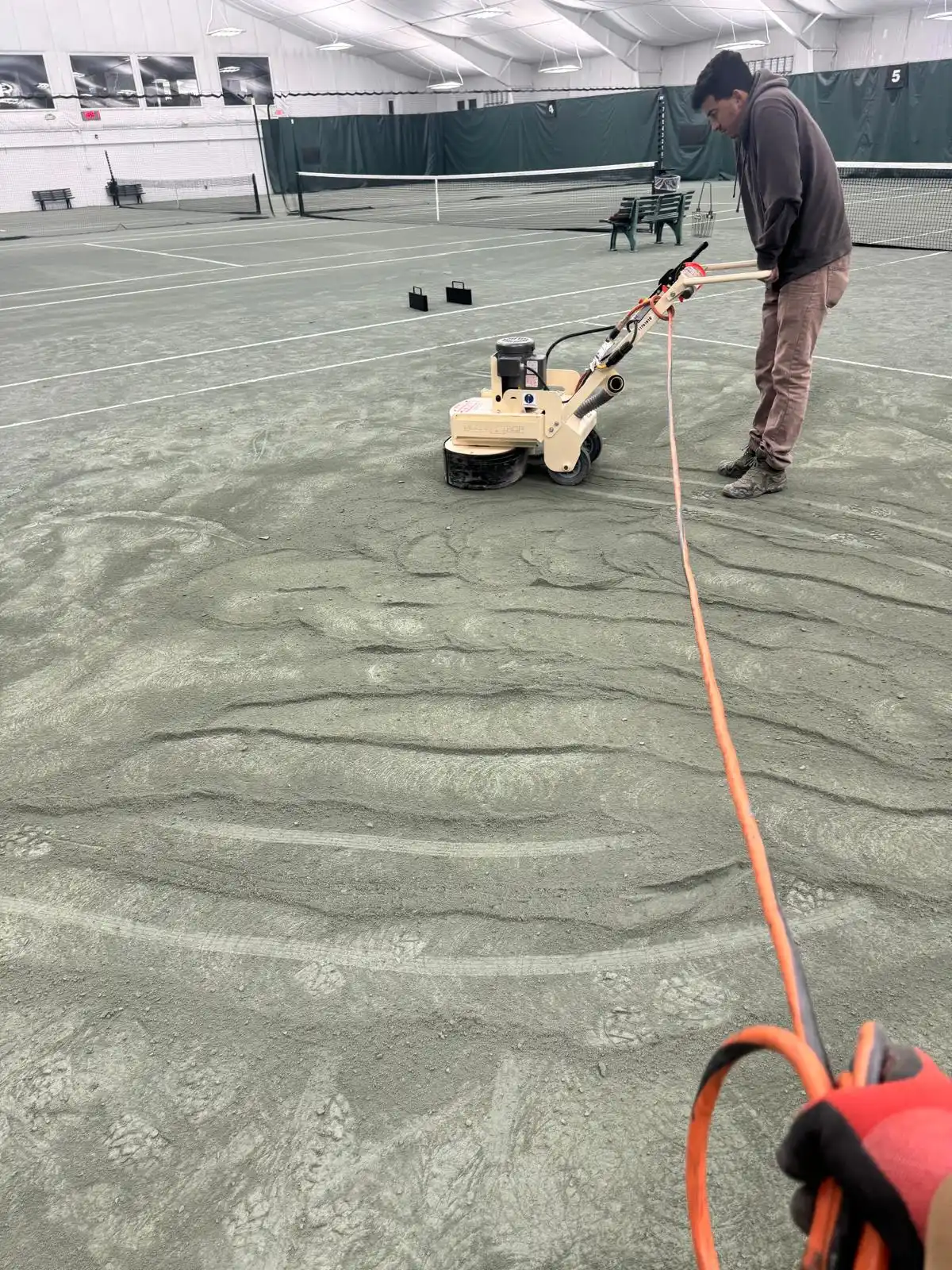
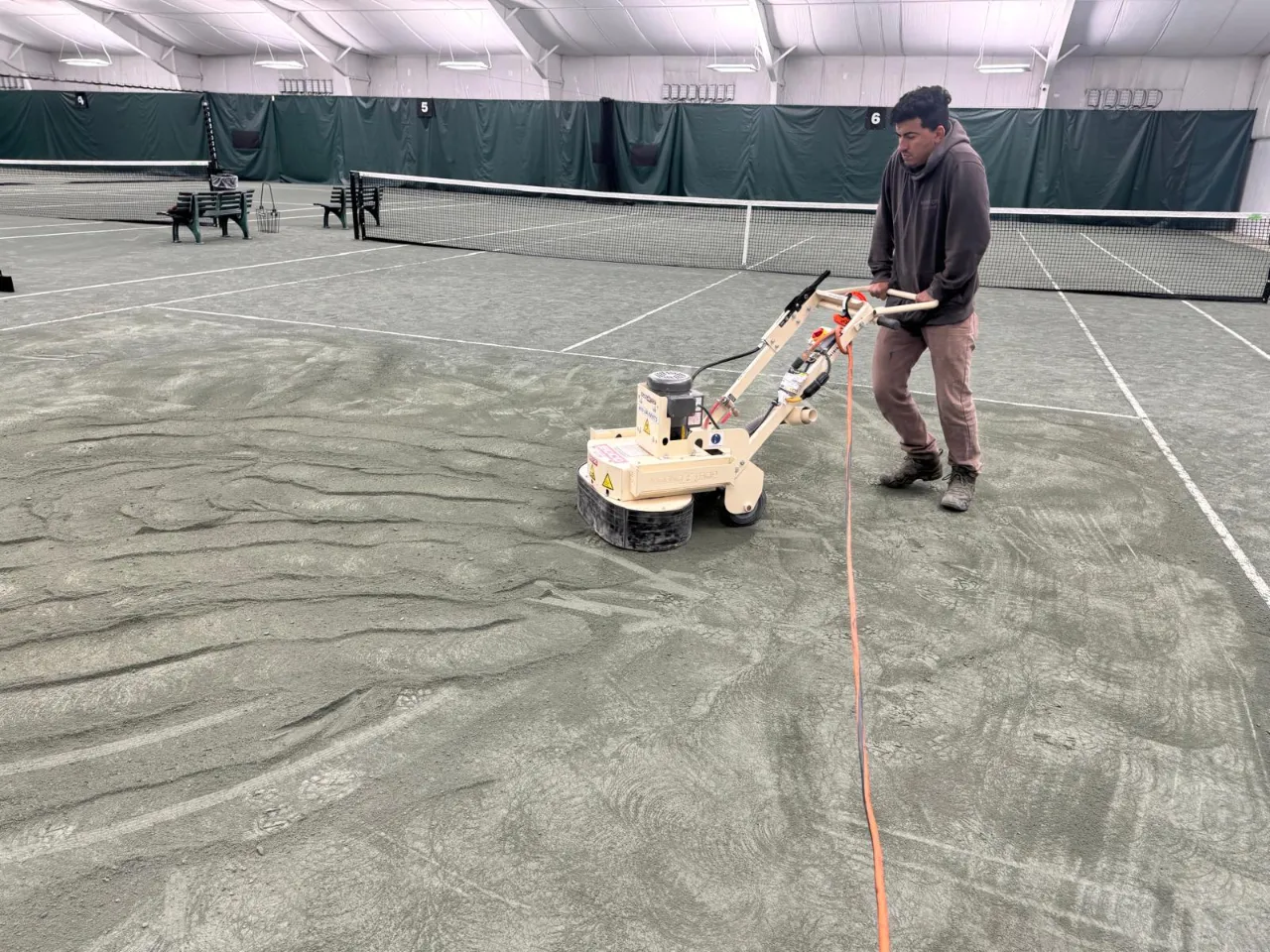
Uneven clay usually shows up where players spend the most time: along the baseline, near the service line, and around the net posts. Every slide pushes material out of place, and without daily grooming, those areas wear low while material builds up somewhere else. Low spots then collect water and turn soft and slippery after rain. Other causes include a court that hasn't been top-dressed with fresh clay in a while, lines that have lifted and created bumps, and winter frost that heaves the surface. If you step on a spot and it gives way or leaves a deep footprint, the court may be holding too much water there. Leveling the surface, adding fresh material, and rolling the court in spring usually brings these areas back in line.
Daily and Seasonal Care That Prevents Problems
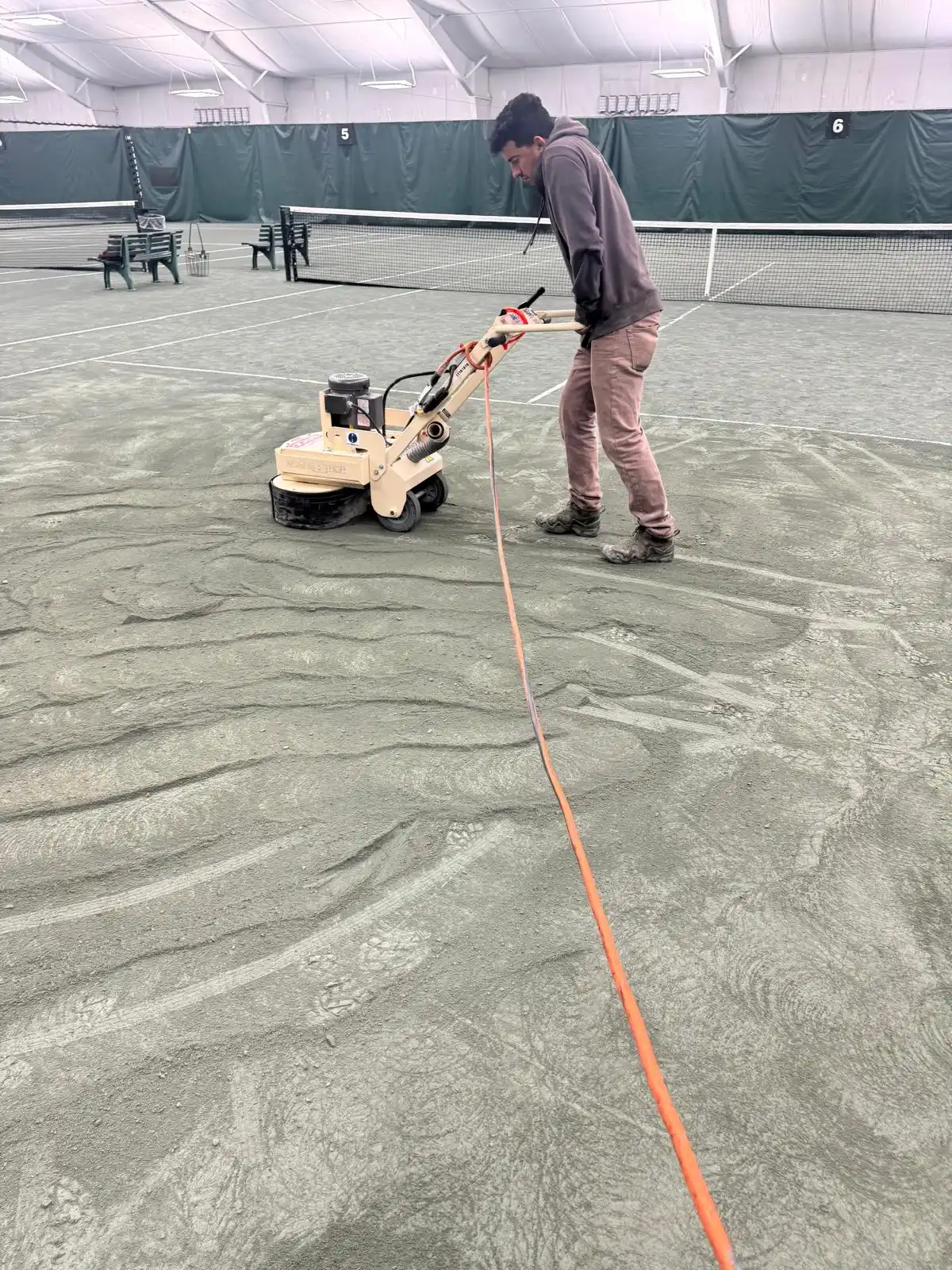
Most Har-Tru problems can be prevented with a simple routine. After every session, drag the court with a drag brush to spread loose material evenly and smooth out footprints. Sweep the lines with a line sweeper so they stay visible and flat. Water the court evenly, and more often on hot days. Each spring, the court needs opening work: repairing winter damage, rolling to firm the surface, and top-dressing with fresh Har-Tru clay to replace what was lost the season before. Some court owners also use a stainless steel bristle drag brush from time to time to reach deeper and loosen compacted clay. We supply the tools and materials that make this routine easier, including drag brushes, line sweepers, stainless steel bristle drag brushes, and Har-Tru clay.
When a Hydro Court System or Resurfacing Makes Sense
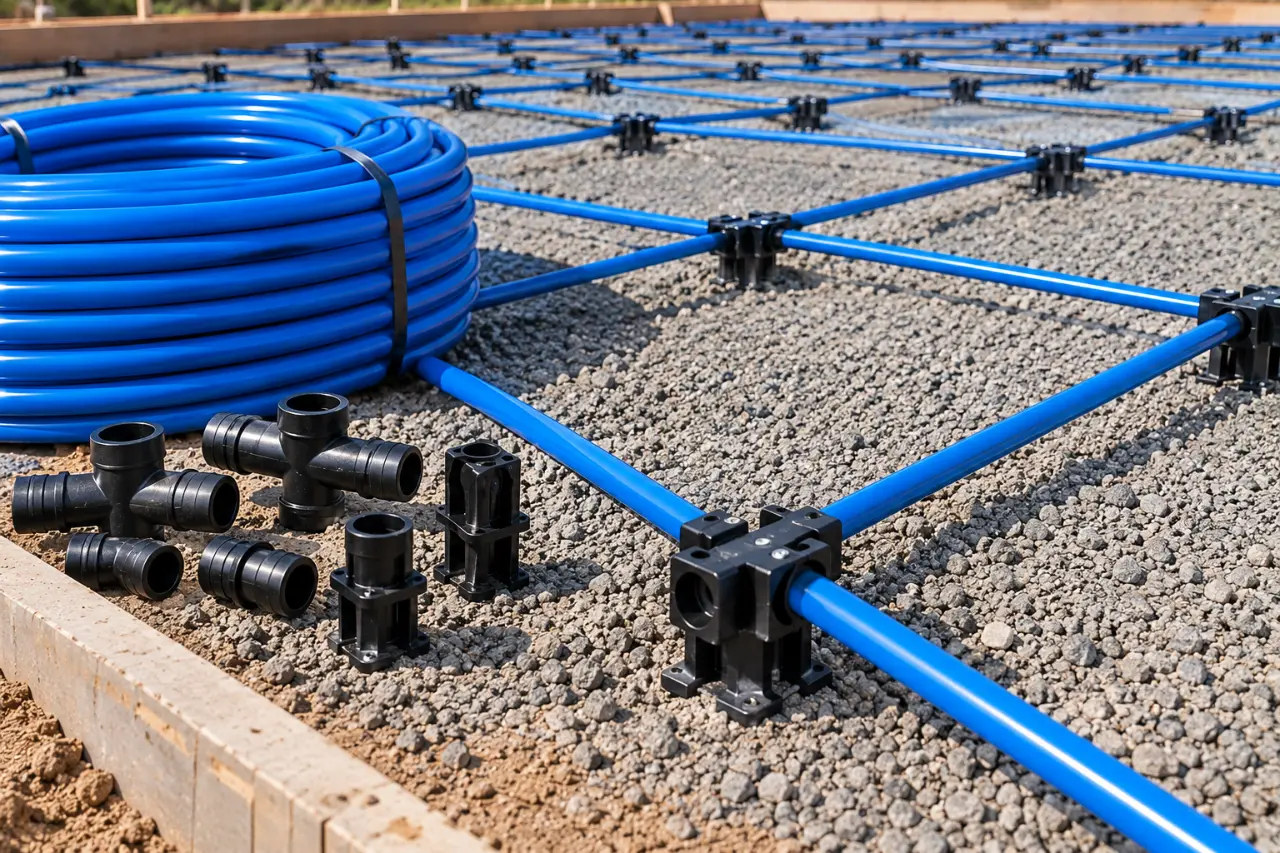
If watering is a constant struggle, a hydro court system can take a lot of that work off your plate. It waters the court from below through the base, keeping moisture even over the whole surface without overhead sprinklers. Clay blends made to work with subsurface watering, such as HydroBlend, help the system perform at its best. Hydro systems go in during construction, so they're usually part of a new court or a full rebuild. If your court has lost its shape, has base problems, or hasn't been properly top-dressed in years, resurfacing may be the better fix. A full Har-Tru resurfacing restores the right depth of material and a level playing surface. We'll inspect your clay court and recommend the option that suits how often you play.